
Do We Even Need Theories or Paradigms of Foot Function?
8 February 2018
I’ve been mulling over this one for a while and two things pushed it to the front of my mind. Firstly, a discussion on one of the Podiatry Facebook groups recently which, as is often the case, turne...
More

Cuboid Syndrome; Questioning Beliefs
7 September 2017
I posted this video on my Facebook page a month or so ago and it generated some great discussion. I see an awful lot of dorsolateral foot pain which has been labelled under the umbrella of “cuboid s...
More

Do we Know How the Foot Really Moves During Gait?
12 May 2017
It’s no secret that this is one of my favourite papers of all time and if students ever ask me what “biomechanics papers” they should read this is top of the list. To further spread/translate th...
More

Is Categorising or Labelling Feet of Clinical Use?
16 April 2017
Many clinicians will habitually group feet they see in clinic; some based on cursory observation (“they are a pronator/overpronator” etc) and some may do so more formally after performing somethin...
More
Podiatric Biomechanics: Is it going round in circles?
23 February 2017
Back in 2000-2003 I was taught to assess a treat a foot according to a model/paradigm that was conceived in 1977. Incredibly cursory summary: it consisted of criteria of normalcy for the human foot an...
More
What Does Being a “Pronator” Even Mean?
21 December 2016
“I’M A PRONATOR…” Barely a single day passes where one of my patients/athletes doesn’t say this to me and I know I’m not alone. But what does it mean, if anything? And what is the sub-...
More
A Quick Word on Joint Axes…
12 November 2016
When I was first taught what a joint axis was I recall it being described to me as a door hinge. A fixed point about which motion will occur (more often than not 90 degrees’ perpendicular to the hin...
More
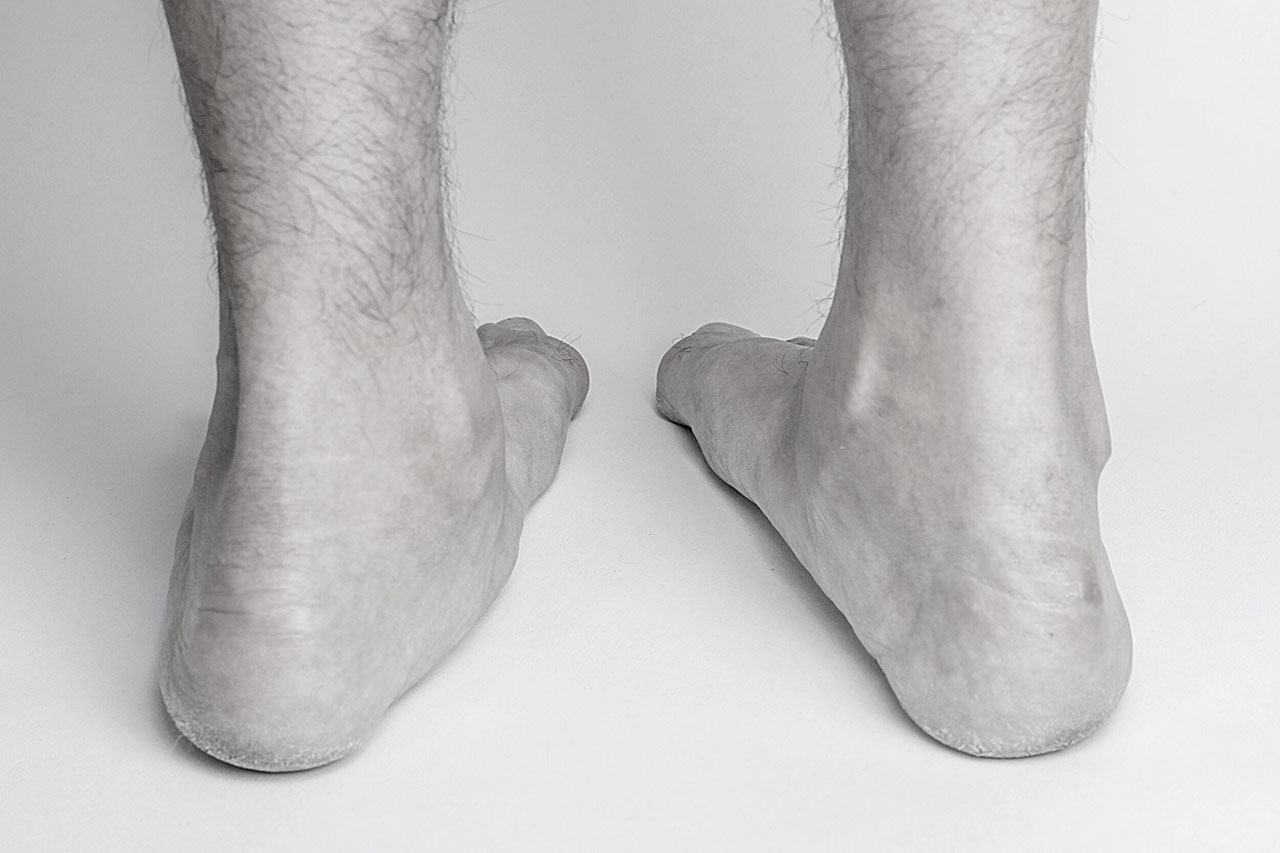
Overpronation: Does it Exist?
2 April 2012
Firstly, apologies for the distinct lack of posts in recent months – late 2011 and early 2012 have been rather hectic, but I am confident I will get back on track! The blog has now been moved ...
More


